Corporate announcements about advisory board appointments often attract attention, especially when they involve life sciences, health innovation, or emerging biomedical fields. The recent announcement regarding the Stemtech Life Sciences Advisory Board provides a useful case study for understanding how such claims should be evaluated through verification, context, and scientific caution rather than assumption or hype.
This article presents a structured, fact-based analysis designed to help readers distinguish what can be reasonably supported, what remains unverified, and why careful interpretation matters.
What a Corporate Appointment Announcement Represents
An advisory board appointment announcement is primarily a corporate communication tool. Its core purpose is to inform stakeholders that an individual has been selected to provide strategic or technical input to a company. Importantly, such announcements:
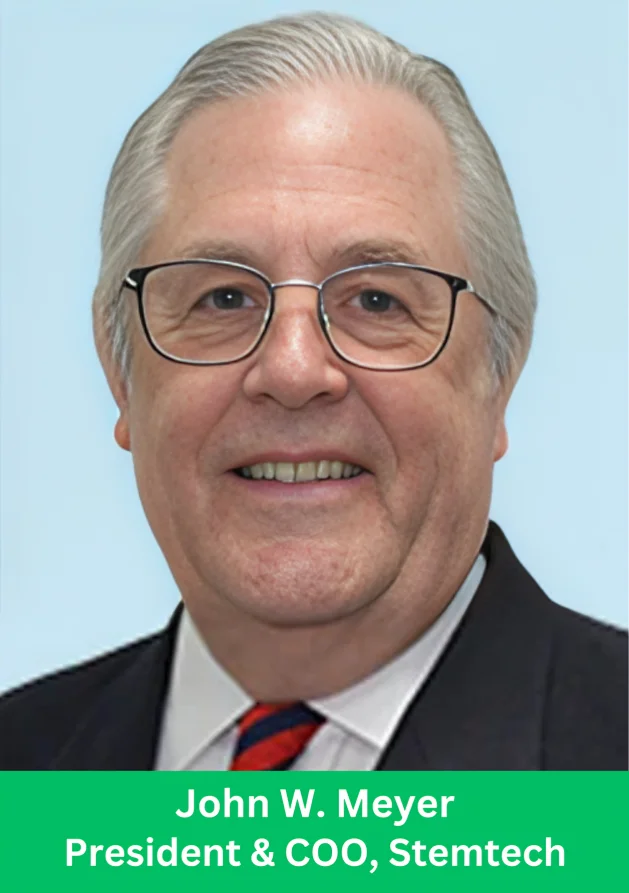
In most cases, advisory board roles are non-executive and non-fiduciary, meaning the individual does not control company decisions or product claims.
Why Press Releases Require Independent Review
Press releases are company-authored narratives. While they can be accurate, they are not neutral documents. Independent confirmation, through third-party records, regulatory filings, or institutional listings, is essential before accepting implied authority or expertise.
Role of Financial Newswire Syndication
When a corporate announcement is distributed through established financial newswire systems, it suggests that the release passed basic publication standards. Syndication increases visibility, not verification.
This distinction matters. Distribution confirms that:
It does not confirm:
Why Syndication Suggests Authenticity but Not Validation
A syndicated announcement indicates the event likely occurred as stated, but the interpretation of credentials, titles, and impact remains the reader’s responsibility.
Stemtech operates as a publicly traded company in over-the-counter markets. Companies in this category typically:
This context helps explain why advisory appointments are emphasized in communications.
Business Model and Product Positioning
Stemtech is commonly described as operating within direct selling or network-based distribution, offering nutrition and wellness products positioned around cellular health concepts. Such positioning is common in the supplement industry and requires clear separation between marketing language and medical claims.
Advisory Boards vs Executive Governance
A Life Sciences Advisory Board typically:
It does not:
Understanding this distinction prevents over-interpretation of the role.
Typical Responsibilities and Influence
Advisory input may influence:
However, advisory boards do not replace peer-reviewed research, regulatory approval, or clinical trials.
Website Update Delays and Common Explanations
It is not unusual for corporate websites to lag behind press announcements. Possible reasons include:
However, delays should still be noted during due diligence.
Why Public Listings Matter for Transparency
When advisory board memberships appear consistently across official platforms, confidence increases. Temporary absence does not disprove an appointment, but it does justify measured caution.
Business Ownership and Founder Assertions
Claims of founding or operating multiple wellness businesses may appear in directories or listings. However:
High-confidence verification requires licensing records, incorporation documents, or authoritative profiles.
Challenges in Cross-Border Credential Verification
Medical and professional credentials vary by country. Without access to national medical registries, it can be difficult to confirm:
This limitation underscores the importance of precise language in public claims.
Difference Between Medical Boards and Private Certifications
Not all certifications labeled “board” or “academy” represent nationally recognized medical boards. Some organizations offer:
These may be legitimate, but are not equivalent to formal specialty boards.
Why Terminology Can Be Misleading to Consumers
Terms like “board-certified” can create assumptions of regulatory equivalence. Readers should always ask:
Supplements vs Medical Therapies
Nutritional products marketed around cellular health are regulated differently from medical treatments. Supplements:
Understanding this distinction protects consumers from inflated expectations.
Importance of Evidence-Based Claims
Scientific credibility relies on:
Marketing language alone is not evidence.
What Can Be Independently Verified
Readers should prioritize:
Questions Investors and Consumers Should Ask
The announcement related to the Stemtech Life Sciences Advisory Board should be viewed as a corporate development, not a scientific conclusion. While advisory appointments can add perspective and expertise, they do not replace regulatory oversight, peer-reviewed research, or verified clinical outcomes.
A responsible reader balances openness with skepticism, recognizing both the legitimacy of corporate communications and the necessity of independent verification. In health-adjacent industries, this balance is not optional; it is essential.
Get more information
There are no reviews yet. Be the first one to write one.