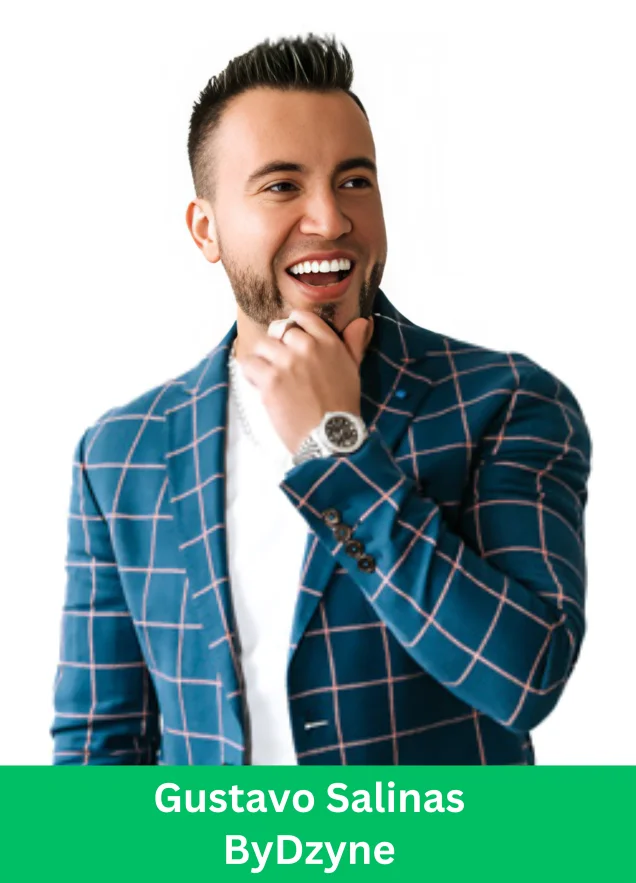
The name Gustavo Salinas ByDzyne pops up often in conversations about modern network marketing, social selling, and motivational leadership. At 34, Gustavo is portrayed as a standout figure with a memorable stage presence, massive digital following, and a rare “2-Star Crown” rank in ByDzyne’s compensation system. The narrative is inspiring: consistency, grit, and global expansion across dozens of countries. Yet any responsible evaluation also weighs the Income Disclosure Statement (IDS), where, in this case, 76.1% of active brand ambassadors reportedly earned $0 during the period reviewed, and the median income was $0.00. Both facts can be true at once: a powerful personal success story can coexist with industry-typical income concentration.
This duality matters for readers. On one hand, Gustavo’s story illustrates how personal branding, disciplined messaging, and relentless outreach can build a global footprint. On the other hand, it demonstrates how MLM income distributions tend to cluster at the top while the broad base struggles. To learn from the story without getting swept up by hype, we’ll unpack (1) what ranks like “2-Star Crown” plausibly represent in practice, (2) what income disclosures really mean for everyday joiners, (3) how to vet wellness-product claims like Quantumé, and (4) a pragmatic frameworkif you still choose to participatebuilt on ethics, customer value, and measurable KPIs.
A rapid profile: accolades, ranks, and reach
Gustavo is framed as a visionary entrepreneur who mixes motivational speaking, leadership mentoring, and influencer-style community building. The press-friendly highlights emphasize global tours, large social followings, and outlier rank achievement. Those are meaningful signals of charisma-driven growth, and they explain why his name, Gustavo Salinas ByDzyne, has become shorthand for ambition inside certain circles.
The promotional narrative vs. statistical reality
A celebratory tone is common in MLM storytelling. But the IDS data injects needed context: most participants did not earn commissions in the period reported; averages can be inflated by a handful of high earners, making the median a clearer reality check. Holding these two truths together—inspiration and distributional realityprevents costly misreads.
Titles in MLMs typically reflect organizational volume and rank-qualified structure (e.g., multiple legs meeting certain thresholds). Earning such ranks requires high personal productivity plus large, active teams. The mechanics: consistent customer orders, new volume, and lead development that sustains momentum. A crown-level rank suggests mastery of duplication system scripts, training, events, and culture.
Ranks often lag or lead income depending on plan specifics, promo periods, and maintenance rules. Crucially, rank attainment by a few does not imply replicability for the many. The median $0.00 underscores that rank stories are not representative of outcomes for typical joiners. Treat ranks as signals of what’s possible, not promises of what’s probable.
IDS language can be technical. “Active” ambassadors may be a subset meeting minimal activity thresholds. Still, 76.1% earning $0 means many active participants did not receive commissions/bonuses, even while active. This highlights conversion and retention challenges.
An average of ~$1,286 can sound encouraging until you realize it’s skewed by outliers. Median $0.00 is the more reliable signal for typical outcomes. For due diligence, always ask: What percentage earns more than expenses? What’s the net profit after fees, autoships, events, ads, travel, samples, and taxes?
Gustavo’s trajectory showcases how public speaking, testimonial-driven narratives, and social proof (media mentions, stages, milestones) can create engagement loops, attention, and credibility action. Done transparently, this can build loyal communities and customer reorders.
Over-reliance on a single network or algorithm is risky. Interest can wane, rules can shift, and reach can shrink. Resilience comes from channel diversity (email + SMS + community platforms), evergreen content libraries, and value-first education that outlasts algorithm changes.
For wellness devices, the right question is: What credible, independent evidence exists? Look for peer-reviewed studies, clear mechanisms, and transparent data. Absence of such evidence invites cautionespecially when claims imply health benefits.
How to evaluate claims ethically and safely
Avoid medical claims unless supported by solid science and permitted by policy. Use qualified disclaimers. Encourage customers to consult healthcare professionals. Over-promising erodes trust and can create regulatory exposure. Ethical sellers lead with accurate product education and customer outcomes that can be verified.
High-energy leadership can spur identity shifts (“I’m the kind of person who follows through”) and behavioral momentum (daily activity, skill practice). That’s a strength when tied to realistic expectations and customer-first metrics.
The line between inspiration and pressure
Watch for income-implying hype, impossible timelines, or stigmatizing normal churn. Sustainable teams normalize learning curves, compliance, and smart exits if the model isn’t a fit.
Sustainability hinges on genuine retail demand. Track non-ambassador customers, average order value, reorder rate (60/90/180-day windows), and refund rates. If most volume is internal, long-term stability weakens. Churn falls when you implement structured onboarding, micro-skills training (prospecting, follow-up, compliance), simple playbooks, and realistic income messaging. Set clear weekly KPIs so teammates know whether they’re on pace.
Before you join, audit:
Contract fine print and IDS literacy.
.Read refund, chargeback, inventory buyback, and termination clauses. Compare rank requirements to historical IDS outcomes. If the median is $0, calibrate expectations accordingly.
Transparent earnings messaging
Always include clear, prominent earnings disclosures—not buried footnotes. Highlight median outcomes and costs. Ethical framing attracts better-fit partners and reduces legal risk.
Claims, testimonials, and disclosure rules
Health or income claims must be truthful, substantiated, and representative of typical situations. Testimonials need material-connection disclosures. When in doubt, follow regulator guidance (see FTC’s resources on endorsements and MLM basics).
90-day execution plan
KPIs that actually predict survivability
Transferable lessons
Non-transferable outlier effects
The Gustavo Salinas ByDzyne story is undeniably inspiring and demonstrates the upside of personal branding, leadership voice, and disciplined systems. However, the IDS realitywhere most participants earned nothing during the measured perioddemands clear-eyed expectations. Sustainable teams are customer-led, evidence-driven, and compliance-minded. If you choose to engage, do so with guardrails: honest math, ethical claims, and KPIs that tell the truth early.
Get more information
There are no reviews yet. Be the first one to write one.