
The Florida Direct Sellers & Consumers Coalition (FLDSCC) has emerged as a new and influential voice in Florida’s policy landscape, particularly in matters affecting direct selling and multi-level compensation models. Understanding what this coalition is, and what it is not, requires careful examination of public records, leadership composition, and legislative priorities.
This article provides a clear, evidence-based breakdown designed to help readers evaluate FLDSCC’s role with accuracy rather than assumption.
Organizational Purpose and Public Positioning
FLDSCC presents itself as a coalition aimed at protecting both direct sellers and consumers by promoting clarity in laws governing direct sales. Its public messaging emphasizes education, economic contribution, and consumer safeguards within the direct selling sector.
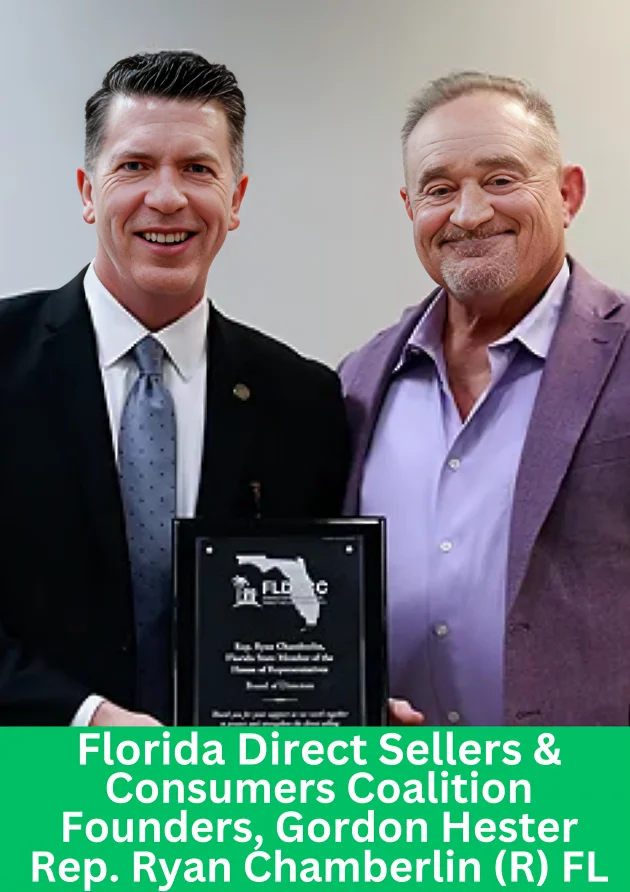
At its core, FLDSCC functions as a policy advocacy organization, engaging directly with lawmakers on issues that affect how direct selling businesses operate in Florida.
Why Industry Coalitions Form at the State Level
State-focused coalitions often form when industries seek:
Florida’s size and economic influence make it a strategic focal point for such efforts.
Florida Not-for-Profit Registration Details
FLDSCC is registered as an active Florida not-for-profit corporation, with a filing date in April 2025. The registration lists a small group of officers and directors, along with a registered agent, as required by Florida law.
This confirms that FLDSCC is a formally organized legal entity, not an informal advocacy group.
Why Corporate Control Signals Matter
Despite the inclusion of “Consumers” in its name, the governance structure appears concentrated among a limited number of individuals. This does not invalidate the coalition’s mission, but it does suggest that FLDSCC should be understood as industry-anchored advocacy, rather than a broad, grassroots consumer coalition.
Board Composition and Industry Representation
FLDSCC’s leadership includes individuals with deep ties to:
This composition indicates strong institutional knowledge of the direct selling sector and its regulatory concerns.
Distinction Between Advocacy and Consumer Watchdogs
A consumer watchdog typically operates independently of the industries it monitors. FLDSCC, by contrast, aligns more closely with an industry government-relations coalition, advocating for frameworks it views as fair and workable.
Company Members and Sector Concentration
FLDSCC publicly identifies company members that operate within the direct selling and network marketing space. These memberships reflect a shared interest in:
Resource Partners and Ecosystem Support
In addition to company members, FLDSCC lists resource partners that provide media, compliance, and operational services to the direct selling industry. This reinforces the coalition’s role as a sector-specific policy platform.
Nature of Legislative Outreach Events
Advocacy days at state capitols are common tools used by organized interests to:
Such events are informational by nature and do not imply government endorsement.
Role of Elected Officials at Advocacy Days
Attendance or remarks by elected officials typically reflect openness to dialogue. It should not be interpreted as agreement with all policy positions presented by an advocacy group.
Overview of the Direct Sales Consumer Protection Act
FLDSCC’s central legislative interest appears tied to bills designed to clarify and enforce prohibitions against pyramid promotional schemes while distinguishing them from lawful direct selling operations.
Defining Pyramid Schemes Under Florida Law
The legislation focuses on compensation structures that reward recruitment over genuine product sales, while also outlining conditions under which direct selling models remain compliant.
Inventory Loading and Buyback Protections
A key feature of the legislation is a “safe harbor” provision. This allows companies to operate legally if they:
Why Safe Harbor Language Is Controversial
Supporters argue that safe harbor provisions protect legitimate businesses. Critics worry they may unintentionally shield problematic practices if enforcement is weak. The real-world impact depends heavily on how regulators apply the law.
National Economic Figures and Their Sources
National economic contribution figures cited by industry groups often align with established sector studies and models. These provide useful context but should still be read as industry-commissioned research.
Florida-Specific Numbers and Verification Limits
State-level economic impact figures presented by coalitions are harder to verify without publicly released methodologies. As such, they should be treated as advocacy data points, not definitive measurements.
What to Monitor Going Forward
Key indicators of FLDSCC’s influence include:
Signals of Policy Influence and Enforcement
The most important outcome will be whether new legal frameworks improve consumer protection without unintentionally weakening oversight of deceptive practices.
The Florida Direct Sellers & Consumers Coalition (FLDSCC) represents a coordinated effort by the direct selling industry to shape policy, clarify legal boundaries, and engage lawmakers at the state level. Its formation, leadership, and legislative focus are consistent with industry advocacy rather than neutral consumer protection.
For readers, regulators, and stakeholders, the most responsible approach is neither blind acceptance nor automatic skepticism, but ongoing, evidence-based scrutiny of how policy intentions translate into real-world enforcement and consumer outcomes.
Get more information
There are no reviews yet. Be the first one to write one.