
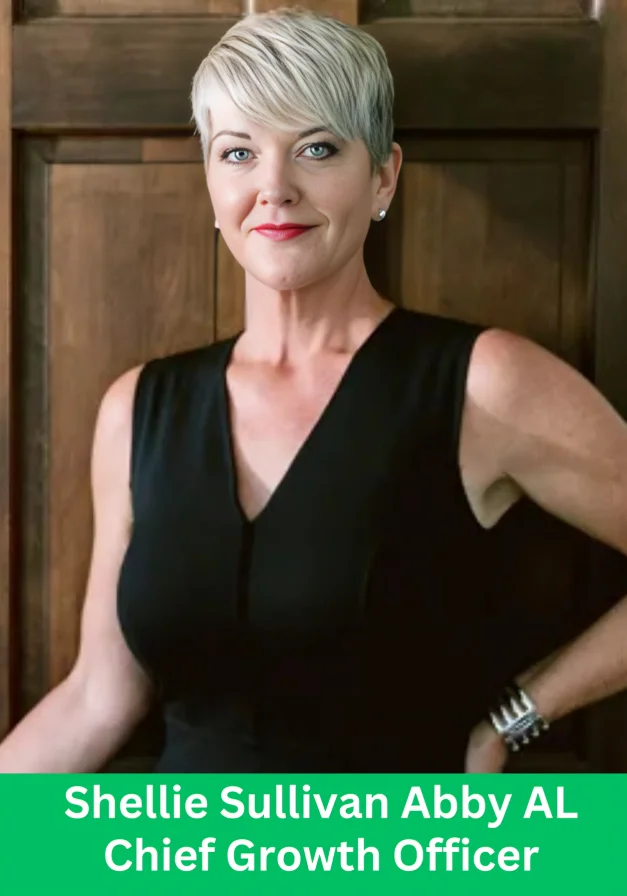
The Abby AI leadership move involving the appointment of Shellie Sullivan as Chief Growth Officer is attracting attention across the direct selling and network marketing industries. As artificial intelligence continues to reshape how businesses operate, Abby AI is positioning itself as a behavior-first AI platform designed specifically to empower entrepreneurs within this unique channel.
Unlike generic AI tools that simply automate tasks, Abby AI aims to guide distributors toward consistent, productive behaviors. The platform’s mission focuses on helping entrepreneurs move from intention to action through structured guidance, onboarding, and behavior-based coaching.
Abby AI describes itself as the “future of AI-enhanced empowerment for entrepreneurs in network marketing.” Its approach is based on a key idea: success in direct selling is not about doing more tasks, but about consistently doing the right behaviors.
Many distributors enter the industry with enthusiasm but struggle to maintain momentum. Over time, information overload, inconsistent routines, and a lack of structured guidance can slow progress.
Abby AI’s platform attempts to solve this by providing:
Rather than acting as a traditional digital assistant, Abby AI is designed to function as a behavioral operating system for distributor success.
The appointment of Shellie Sullivan is not simply another executive hire. Instead, it represents a strategic signal that the company is moving into a go-to-market expansion phase.
The announcement indicates that Abby AI is preparing for:
For a technology startup, this stage is critical. It moves the business from theoretical value to real-world validation.
Sullivan’s role will include:
These responsibilities show that Abby AI is preparing to build industry partnerships and accelerate adoption.
Direct selling has always relied on relationships, mentorship, and personal development. However, many technology tools designed for the industry have historically created more complexity than clarity.
Common challenges include:
Challenge | Impact on Distributors |
Too many digital tools | Confusion and overwhelm |
Lack of daily guidance | Inconsistent activity |
Static training systems | Low engagement |
Limited behavior tracking | Poor habit development |
Abby AI is attempting to solve these issues by focusing on behavioral consistency rather than feature overload.
Instead of simply providing information, the platform aims to guide distributors through daily action frameworks that encourage progress and build confidence.
One of the most distinctive aspects of Abby AI is its behavior-first product design.
Traditional business tools often focus on features such as dashboards, reports, or automation. Abby AI, however, prioritizes human behavior and habit formation.
This design philosophy emphasizes:
By focusing on the behaviors that actually drive results, the platform hopes to help distributors stay engaged and productive.
This is particularly important in direct selling, where small daily actions often determine long-term success.
Another key element of Abby AI’s positioning is its focus on new distributor onboarding and activation.
Many direct selling companies face high dropout rates among recruits. Often, new sellers lack clarity about what actions to take each day.
Abby AI addresses this with:
According to industry listings such as the Direct Selling Association UK, the platform transforms onboarding into a structured journey designed to improve retention and engagement.
This approach aligns closely with one of the industry’s biggest needs: helping new distributors build confidence early in their journey.
A major concern surrounding AI in many industries is the fear of replacement. Abby AI’s messaging deliberately takes the opposite approach.
Founder Ben Robinson describes the platform as a tool designed to help people become better entrepreneurs, not to replace their effort or leadership.
This positioning is strategically important because direct selling culture emphasizes:
By framing AI as an empowerment tool, Abby AI reduces resistance while reinforcing the industry’s human-centered values.
Shellie Sullivan brings more than two decades of experience in direct sales, social commerce, and people-centered business models.
Her professional background includes expertise in:
In her public comments about joining Abby AI, Sullivan emphasized the need for tools that:
This alignment between the company’s philosophy and Sullivan’s leadership approach makes the appointment particularly strategic.
To successfully commercialize a platform like Abby AI, leadership must understand both technology and the culture of direct selling. Sullivan appears well positioned to bridge those worlds.
Although still in its early stages, Abby AI is already showing several indicators of market traction.
The company reports more than 1,300 entrepreneurs on its waitlist, indicating early curiosity and interest from the market.
The platform already includes:
These elements suggest that Abby AI is preparing for broader product exposure.
Being listed by organizations like the Direct Selling Association UK helps place Abby AI within the professional ecosystem of the industry.
The company’s messaging targets multiple user groups:
This suggests the product is designed to operate across the entire channel ecosystem, not just for individual distributors.
One of Abby AI’s most compelling branding elements is the meaning behind the name “ABBY.”
Founder Ben Robinson has described it as standing for “A Better Business You.”
This branding approach is powerful because it shifts the narrative from technology to transformation.
Instead of focusing on AI features, the message centers on:
In industries built around personal development, messaging like this resonates strongly.
If Abby AI successfully executes its strategy, it could occupy a highly valuable position within the direct selling technology ecosystem.
The platform’s potential value lies in becoming the behavioral operating system for distributors and leaders.
This means influencing key outcomes such as:
By sitting at the intersection of these outcomes, Abby AI could become a foundational layer for modern direct selling organizations.
The next stage for Abby AI will likely involve pilot programs and enterprise partnerships.
These early deployments will be crucial for validating the platform’s real-world impact.
Key indicators to watch include:
If the platform proves effective in these areas, Abby AI could establish itself as a new category of AI-driven behavioral infrastructure within the industry.
The Abby AI leadership move marks an important milestone in the company’s evolution. By bringing Shellie Sullivan on board as Chief Growth Officer, Abby AI strengthens its ability to scale partnerships, refine its product strategy, and accelerate market adoption.
The platform’s focus on behavior-driven success, onboarding excellence, and AI-powered empowerment positions it uniquely within the direct selling technology landscape.
While the company is still early in its journey, its clear mission, industry alignment, and growing interest suggest that Abby AI could play a meaningful role in shaping the future of entrepreneurial support systems.
Get more information
There are no reviews yet. Be the first one to write one.